
Spinal Decompression in Helensvale
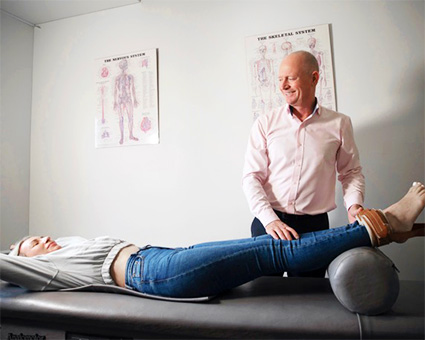
Our spine is designed to carry a heavy load; after all, it supports us for our entire lives. However, with life comes stress, trauma and injury. Over time, for some of us, the natural shock absorbers and curves in our spine diminish, limiting proper biomechanics and contributing to changes in how the spine moves.
When this happens, the discs in our spine can become irritated as forces don’t move through them in a balanced way. More so, our vertebrae may begin to function poorly and feel “jammed.” All of this means discomfort can show up, sometimes suddenly, sometimes as a slow build.
Spinal traction and decompression at Family Health Professionals Helensvale can be an option within your chiropractic care. The key is how and when it’s chosen, because it’s not a “set and forget” table session; it’s a service your chiropractor may include as part of your overall plan.
How Does It Work in Our Practice?
This type of care involves lying on a comfortable table and relaxing; sounds great, right?
Through specific targeting, we focus on areas of your spine that aren’t moving as they should. The table then moves to gently stretch and decompress the spine, aiming to change loading through specific spinal segments in a controlled manner. Some people report feeling looser afterwards, others simply enjoy the sense of “space” through the back.
Here’s the part that often gets missed online. With disc irritation, the body can “lock down” a spinal segment as a protective response, reducing the natural compression and decompression that normally occurs as the joints above and below move (think accordion-style motion). If the segment isn’t moving well, traction alone may not suit every presentation. That’s why we focus on balancing spinal and pelvic mechanics first, then add decompression as indicated.
When Decompression May Be Considered
It’s common for people to ask for decompression by name, especially after reading online. Rather than guessing, we’ll assess first and then explain what fits. Decompression may be considered for people dealing with:
- Ongoing back stiffness or feeling “compressed”
- Disc irritation signs, such as pain with bending or sitting
- Tight, guarded spinal muscles that don’t settle easily
Frequently Asked Questions
How long does it take to notice change?
Is decompression right for everyone?
Total Spine Care Comes First in Helensvale
Spinal decompression may be a helpful part of care for some people, but it’s not for everyone. We’ll start with a thorough assessment, explain what we find, and recommend the next step that makes the most sense for your spine and goals. Contact Family Health Professionals Helensvale today to schedule your visit.
